
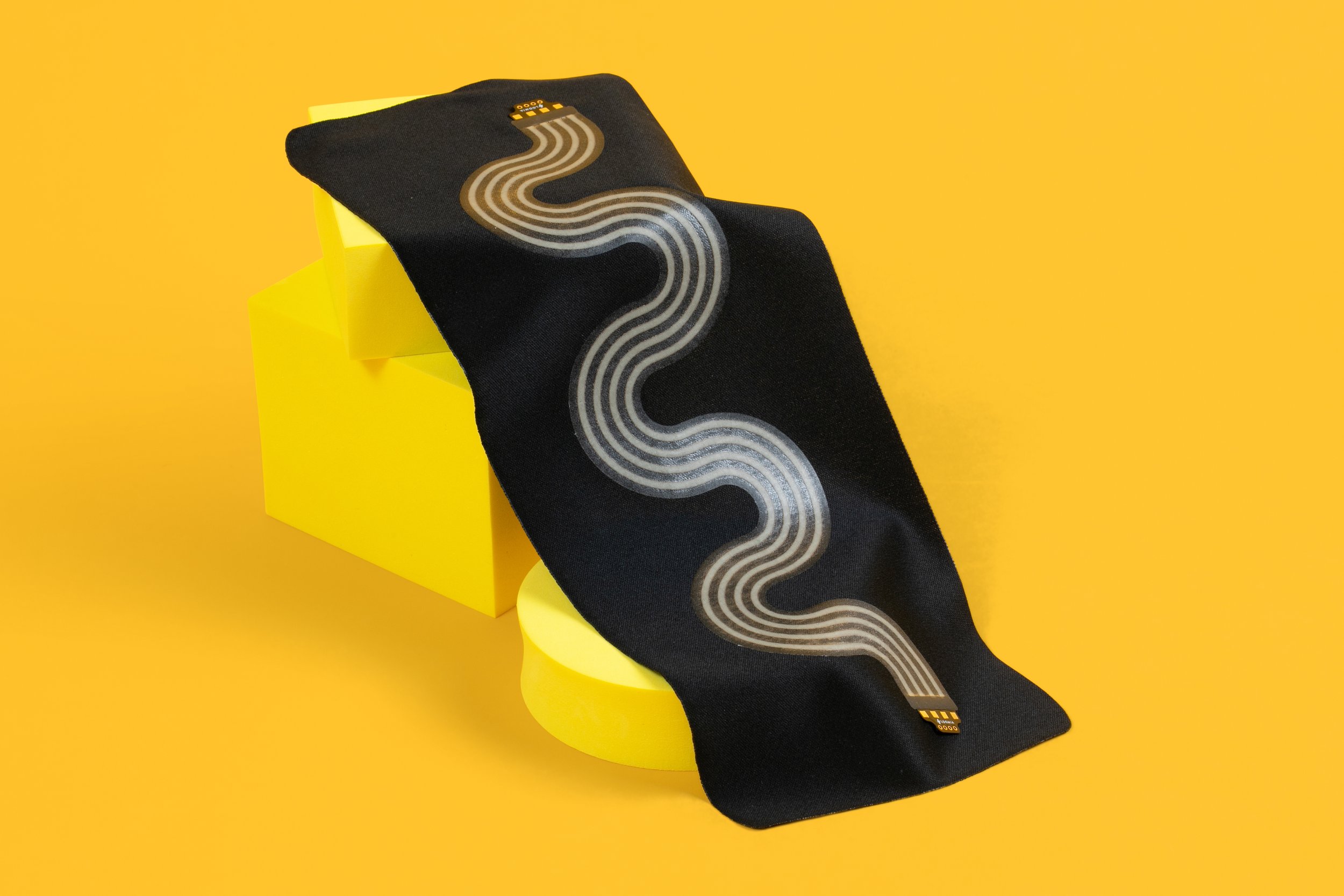
Flexible Electronics for Your Toughest Electromechanical Challenges
Loomia’s Approach to Flexible Electronics
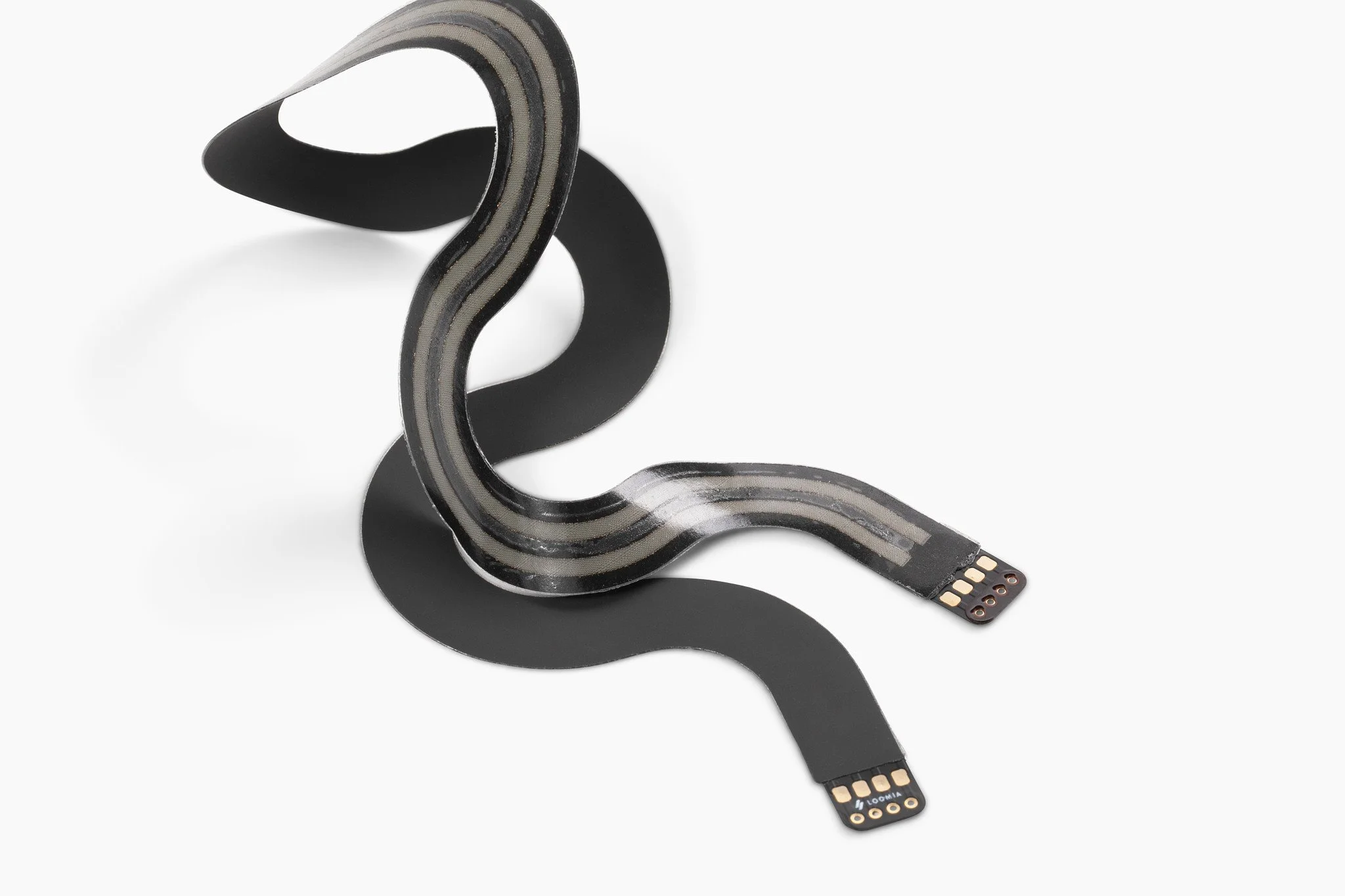
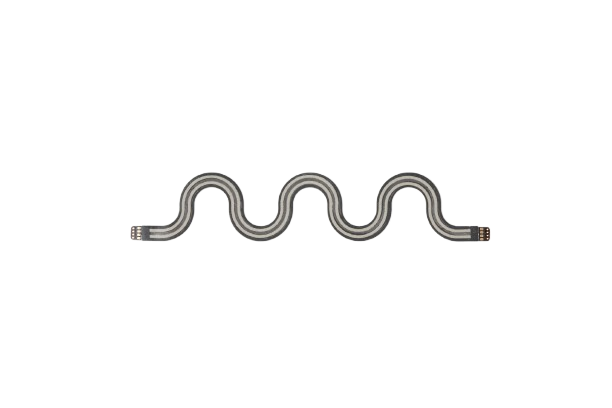
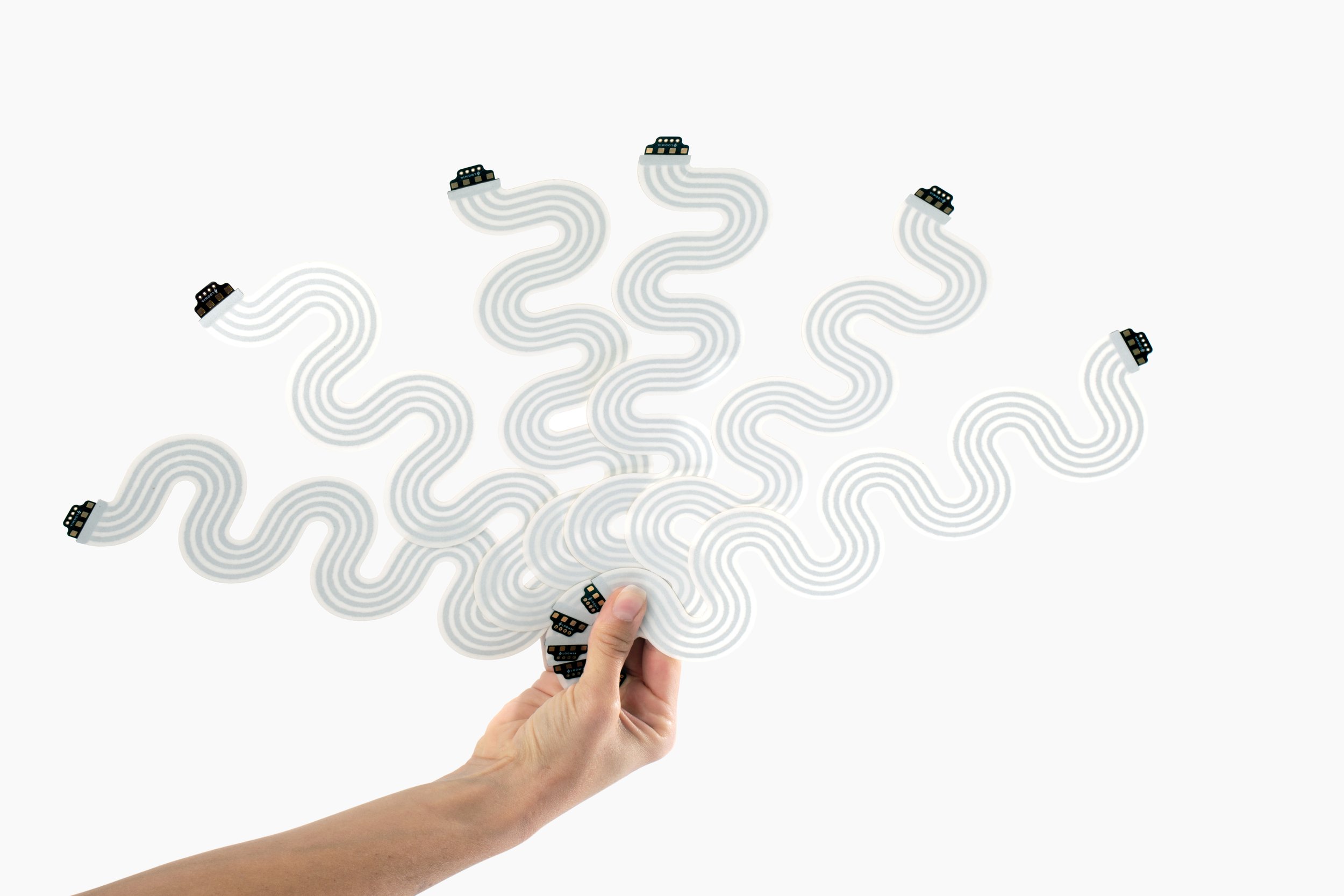
Most flexible electronics are printed, which means conductors change resistance when stretched. We take a different approach. Because the LEL is not printed, it achieves low-resistance conductors that do not easily change resistance when stretched, giving engineers reliable, stable parts to experiment with.
The LEL is more durable than flex PCBs, wires on felt, or most other flexible electronics options, with a flexibility and drape comparable to printed ink on TPU but with far superior electrical stability and integration capability.
Flexible Electronics Applications & Industries
From the cabin of next-generation vehicles to the skin of robots, Loomia's flexible electronics are solving real engineering challenges across industries that demand reliability.
Flexible Electronics Resources by Loomia
What Are Flexible Electronics?
A comprehensive primer on flexible electronics — from its 1903 origins through today's single-sided, multi-layer, and rigid-flex technologies, plus pros, cons, and how Loomia's LEL fits into the landscape.
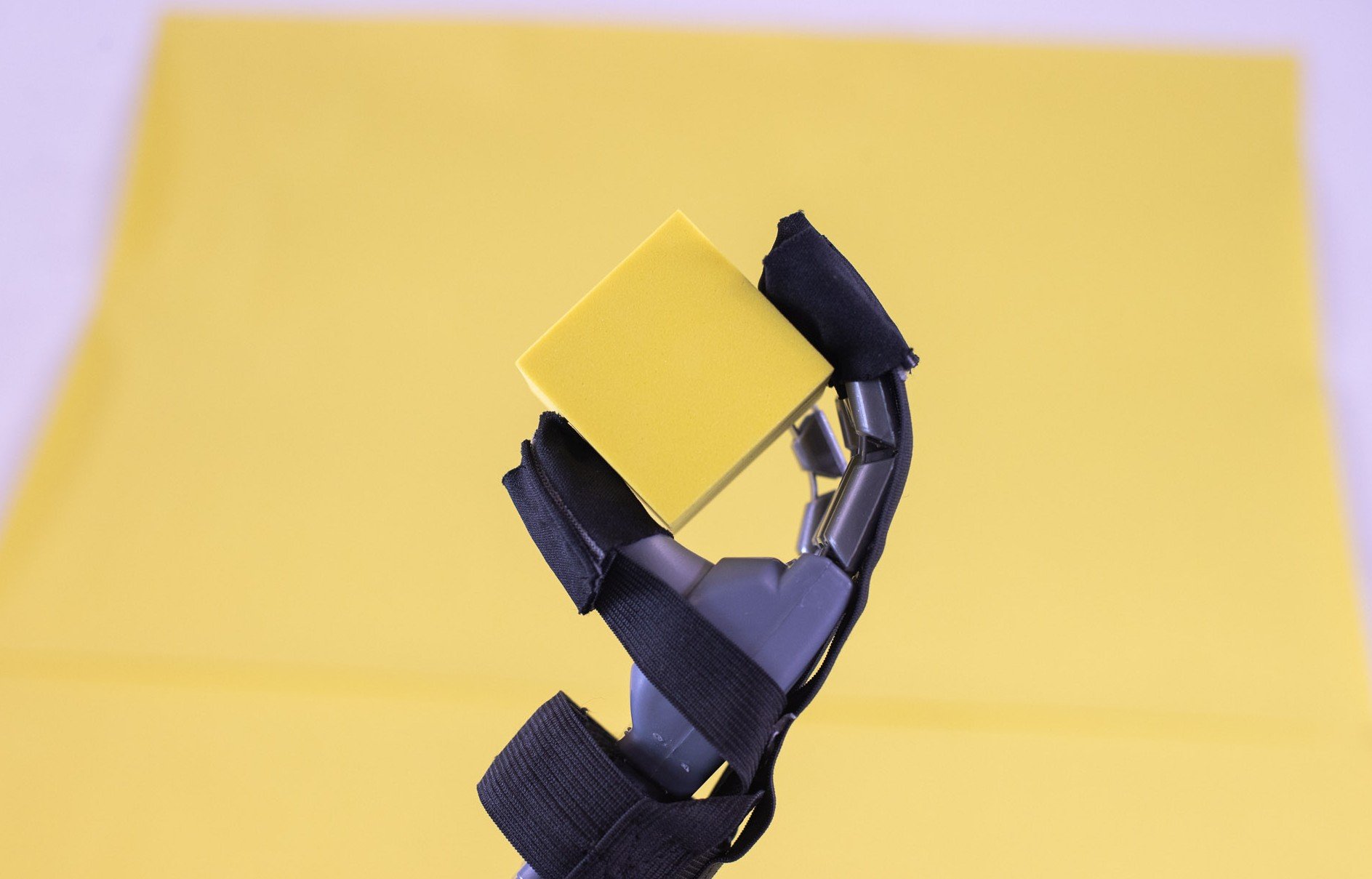
The Role of Flexible Electronics in Robotics
How flexible circuits are enabling soft robots, wearable exoskeletons, tactile robotic skins, and how Loomia is contributing to more adaptable, human-friendly robotic systems.

How E-Textiles & Flexible Electronics Are Changing Automotive Interiors
Loomia's integration with the Hyundai Palisade concept and how smart surfaces built on flexible electronics are transforming next-generation vehicle cabins.